It usually starts at the worst possible time: 2 a.m., during a school morning, or just after you finally get the baby settled. If you are asking, "why is my smoke detector beeping," the short answer is usually a low battery, power interruption, dust, or an aging alarm. A single chirp is different from a loud, repeating alarm, so the sound pattern matters.
Do not remove the battery and forget about it. A smoke detector is one of the few devices in your home whose entire job is to wake your family before a fire becomes unsurvivable. Here is how to identify the cause without turning a small nuisance into a safety gap.
First, identify the sound
A full-volume alarm that repeats several times in a row can indicate smoke or fire. Treat that sound seriously. Get everyone outside, stay outside, and call 911 from a safe location if you see smoke, smell burning, or cannot quickly confirm the cause. Do not spend several minutes troubleshooting while people remain inside.
A single chirp every 30 to 60 seconds usually points to a low battery or another maintenance issue. Some alarms use a different pattern for a malfunction, a sealed battery reaching the end of its life, or an expired sensor. Your model's label or manual should explain the pattern. If you have interconnected alarms, the unit making the noise might not be the unit closest to the problem.
Listen from the hallway, bedrooms, basement, and garage. Ask another person to stand on a different floor if possible. The sound can bounce off walls and make the source surprisingly difficult to locate.
The five-minute battery check
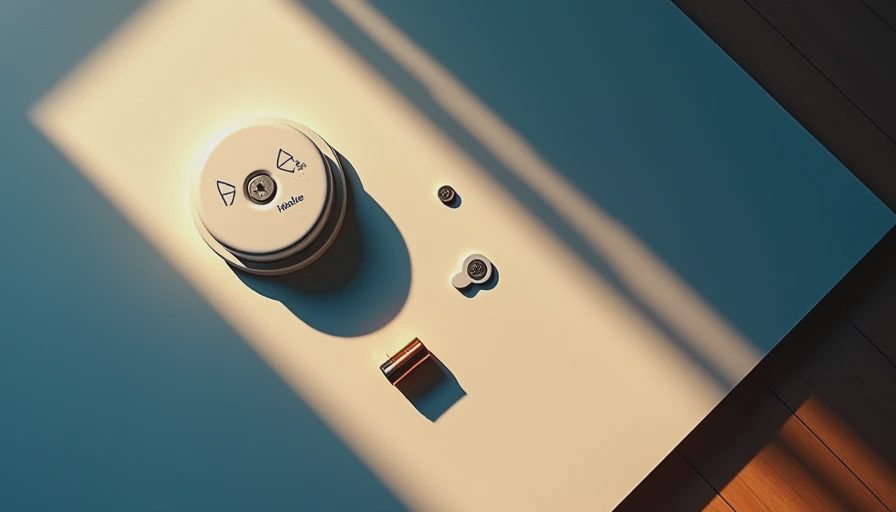
If you are still wondering why is my smoke detector beeping, start with the battery. Press the test button once. If the alarm chirps weakly, flashes a warning light, or does not produce a loud test tone, replace the battery. Many alarms use a 9-volt battery, while newer models often use AA batteries or a sealed lithium battery pack.
Use the battery type listed inside the alarm or on its back. Do not substitute a random rechargeable battery unless the manufacturer specifically permits it. Check the expiration date on the replacement, and make sure the positive and negative ends face the correct direction. A loose battery drawer can cause intermittent chirping even when the battery itself is new.
After replacing it, press and hold the test button according to the instructions. The alarm should produce a loud, unmistakable tone. Warn sleeping family members and pets before testing; Miles, my golden retriever, considers a surprise alarm an urgent household emergency.

If the chirp continues, remove the alarm from its mounting bracket and inspect the battery contacts. Dust, corrosion, or a bent contact can interrupt power. Do not spray cleaner into the device. Instead, use a vacuum attachment or a can of compressed air held at a safe distance, following the manufacturer’s directions.
Common causes beyond the battery
Temperature changes can trigger trouble signals. An alarm near an attic access panel, drafty window, furnace vent, bathroom door, or kitchen may react to heat, steam, or cooking particles. Smoke alarms should generally be kept away from kitchens and bathrooms, but placement requirements depend on the model and local building rules. Moving an alarm is not a casual weekend project if it is hardwired into the home.
Power interruptions are another frequent cause. A hardwired detector can chirp after a breaker trips, an electrician works nearby, or the backup battery loses charge. Look for a green or red status light, then check the electrical panel only if you can do so safely. Never remove wiring or open the electrical box to silence a chirp.
Some alarms simply reach the end of their service life. Many manufacturers recommend replacing smoke alarms after about 10 years, although the exact guidance is printed on the unit. Find the manufacture date on the back or side. If the date is missing, the plastic is yellowed, or the detector has experienced repeated false alarms, replacement is the sensible next step.
What to do with hardwired and interconnected alarms
Hardwired alarms still have backup batteries, so a wired connection does not eliminate battery maintenance. Turn off power only when the instructions require it and only if you understand which circuit controls the alarm. If you are uncomfortable around electrical connections, contact a licensed electrician or your landlord rather than guessing.
Interconnected systems can be especially confusing. One alarm may detect smoke while every alarm sounds, or one failing unit may send a maintenance chirp through the network. Replace batteries in every compatible unit, then test the system. If one detector continues to signal a fault, write down its location and model number before calling the manufacturer.
Smart alarms can add phone notifications, but the app is not a replacement for an audible alarm. Keep the device connected, install firmware updates offered by the manufacturer, and confirm that household members know what the tones mean. A notification that arrives after a router outage is not dependable protection by itself.
A simple replacement and placement plan
When replacement is needed, choose a listed smoke alarm from a reputable manufacturer and select the sensing type recommended for the room. Photoelectric alarms are commonly favored for detecting smoldering fires, while some homes use combination photoelectric and ionization alarms for broader coverage. Carbon monoxide alarms are separate safety devices unless you buy a combination unit.
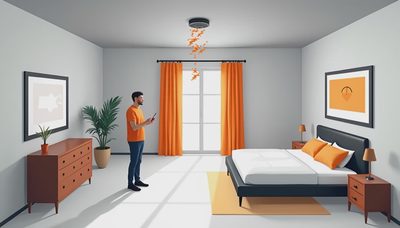
Install alarms inside each bedroom, outside sleeping areas, and on every level of the home, including a basement, following current manufacturer and local guidance. Keep them away from vents and corners where airflow can be limited. Do not paint over an alarm, cover it with tape, or disable it because cooking causes nuisance alarms. Solve the placement problem instead.
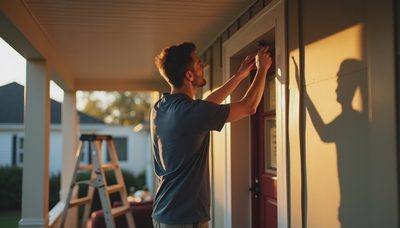
Write the installation date on the inside cover or in your phone. Set a reminder to test alarms monthly and replace removable batteries on the schedule recommended by the manufacturer. A quick monthly test takes less time than searching for a chirp at midnight.
When a chirp needs professional help
Call an electrician, property manager, or manufacturer when a hardwired unit repeatedly reports a fault, wires appear damaged, the alarm gets hot, or the detector sounds after battery replacement and cleaning. Leave the alarm in place while arranging help unless it is creating an immediate hazard, and never silence every detector in the home to solve one problem.
If a detector has sounded during a cooking incident, confirm that everyone is safe and ventilate the area. If the alarm continues, treat the warning as real. Do not assume a familiar smell explains everything; electrical fires and carbon monoxide can be difficult to recognize.
The practical answer to why is my smoke detector beeping is often simple, but the safe response is deliberate: identify the sound, replace the correct battery, clean the device carefully, check its age, and test the entire system. Five minutes now beats five hours later. Your goal is not a silent hallway at any cost; it is a working warning system when your family needs it.



No notes on this sheet yet.