A quiet house can make one small chirp sound like an alarm clock inside your skull. If you are dealing with first alert smoke detector beeping, do not ignore it and do not assume the unit is broken. A single chirp every 30 to 60 seconds usually points to a low battery, power interruption, sensor issue, or aging alarm. A loud repeating alarm is different: treat it as a possible fire until you have checked the home safely.
Start by getting everyone’s attention, especially children, and identify which device is making the sound. Smoke alarms can echo through hallways, so the noisiest unit is not always the source. Look for a blinking light, a battery door, or a label showing whether the alarm is hardwired, battery-powered, or equipped with a sealed battery.
What the beeps usually mean
The pattern matters. One brief chirp at regular intervals commonly means the battery needs replacement. Some First Alert models chirp after a power outage, when the backup battery is low, or when the alarm has reached the end of its service life. A repeated series of loud alarm tones, especially with a voice warning or a red alarm light, can indicate smoke or fire. Leave first and investigate only when you can do so without risk.
Dust, cooking residue, insects, and humidity can also affect the sensing chamber. An alarm near a kitchen, bathroom, workshop, or attic access may be more likely to produce nuisance warnings. That does not mean you should remove it. The better fix is usually cleaning, relocation, or replacement with a suitable alarm for that area.
If the alarm is connected to other alarms, one unit sensing smoke can cause every device to sound. Pressing the test or silence button may quiet the system temporarily, but it does not resolve the cause. Check each alarm for its indicator light and listen for the unit that resumes chirping.

How to stop first alert smoke detector beeping safely
First, rule out an emergency. Look for visible smoke, unusual heat, a burning smell, or a carbon monoxide warning. If you see or smell danger, get outside, call 911, and do not reenter for a device or pet. If the alarm is sounding without obvious danger, ventilate the area and begin troubleshooting after everyone is safe.
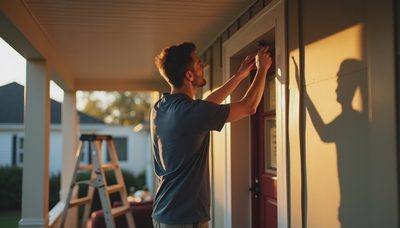
For a replaceable battery model, hold the alarm firmly, twist it from its mounting bracket, and open the battery compartment. Use the battery type printed on the alarm or in its manual. A common 9-volt battery is not interchangeable with every model, and some newer alarms use AA batteries or a sealed lithium battery. Confirm the positive and negative terminals before closing the compartment.
After installing the battery, press and hold the test button for several seconds. The alarm should produce its normal test sound. Reattach it to the bracket and wait a few minutes. If first alert smoke detector beeping continues, remove the battery again, hold the test button for about 15 seconds to discharge residual power, reinstall the battery, and test once more. This reset helps after a brief outage, but it will not repair a failed sensor.
Never disable an alarm by leaving out its battery or covering its vents. A five-minute nuisance fix can create a serious blind spot overnight, when smoke may be harder to see and everyone is asleep.
When cleaning or replacement is the right answer
Use a vacuum’s soft brush attachment around the alarm’s exterior openings. Do not spray cleaner, water, compressed air, or insecticide into the sensing chamber. A light cleaning can remove dust, but an alarm that chirps after cleaning and a fresh battery needs closer attention.
Check the manufacture date on the back or side. Smoke alarms are commonly replaced after about 10 years, while carbon monoxide alarms often have a shorter service life based on the model. The manufacture date is more useful than the date you remember buying it. A detector that came with a house can already be several years old.
Replace the unit if it has corrosion, physical damage, a cracked housing, repeated false alarms, or a persistent end-of-life chirp. If the alarm is hardwired, switch off the appropriate circuit before disconnecting it, and follow the manufacturer’s instructions. When you are unsure about household wiring, ask an electrician rather than guessing.
Fix the location, not just the noise
A detector mounted too close to a stove, toaster, shower, furnace, or dusty project area may react more often. Follow the installation spacing in the manual and local fire-safety guidance. Do not place a smoke alarm where a ceiling fan blows directly across it or where steam regularly reaches the sensor.
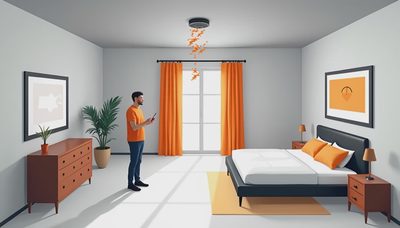
A typical home needs alarms inside bedrooms, outside sleeping areas, and on each level. Larger homes may benefit from interconnected alarms so that a problem in the basement can alert someone upstairs. Combination smoke and carbon monoxide alarms can reduce clutter, but confirm that the device is approved for its intended location.
If first alert smoke detector beeping returns in the same room after a correct battery change and cleaning, move beyond repeated resets. The sensor may be failing, the wiring may be unstable, or the environment may be unsuitable. Replacing a $15 to $50 alarm is cheaper than spending weeks wondering whether the next sound is real.

A five-minute household check
Walk through the house and write down every alarm’s location, manufacture date, battery type, and test result. Ask each family member what the alarm sounds like and where to go if it activates. Children do not need a technical explanation; they need a clear rule: get outside, stay outside, and meet at the chosen location.
Test alarms monthly using the test button, but do not treat a test as proof that the sensor can detect every kind of fire. Keep replacement batteries in a known drawer, not loose in a junk bin where their terminals can touch metal. If your alarms are interconnected, test the system according to the manual so you know every device responds.
Take special care after remodeling, painting, roof work, or a power outage. Construction dust and electrical interruptions can trigger warnings or expose old equipment. Record the date you changed each battery and replace alarms in batches when several are the same age.
The bottom line
The right response to first alert smoke detector beeping is calm, quick, and practical: identify the sound, rule out fire or carbon monoxide, replace the correct battery, clean the exterior, and check the alarm’s age. Persistent chirping is a replacement signal, not an invitation to disconnect the device.
This is not a reason to panic. It is a reason to change one small setting in the household safety system today. Five minutes now beats five hours later. Test the alarm before bed, tell the family where to meet outside, and replace any detector that has reached the end of its service life.


No notes on this sheet yet.