A smoke alarm chirp at 2 a.m. has a special talent for waking the entire house except the person who knows how to stop it. If you are hearing a smoke alarm chirp, do not ignore it or pull the battery and forget about it. The sound usually means a low battery, an expired detector, dust inside the sensing chamber, or a power problem. Five minutes now beats five hours later, especially when sleeping children, pets, and a busy morning are involved.
What the chirp is trying to tell you
A single chirp every 30 to 60 seconds usually indicates a maintenance warning rather than an active fire alarm. The exact pattern depends on the manufacturer, so listen carefully and check the label or manual. A loud, repeating alarm with multiple beeps is different: treat that as a possible fire, look for smoke or heat, and leave the home if you cannot immediately confirm it is a harmless cooking or shower-related trigger.
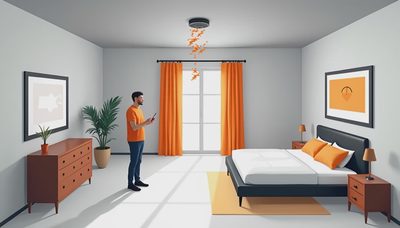
The first challenge is locating the device. Sound travels through hallways and stairwells, and interconnected alarms can make the source seem farther away. Stand quietly in each room until you identify the unit. Look at the date printed on the back or side. Many residential smoke detectors are designed for replacement after about 10 years, even when they appear clean and still respond to a test button.
If the smoke alarm chirp began after a storm, outage, or electrical work, the issue may involve a hardwired detector and its backup battery. A detector can also chirp after its battery was installed backward, not fully seated, or left with a plastic pull tab in place. Do not assume a new battery automatically solves every warning.
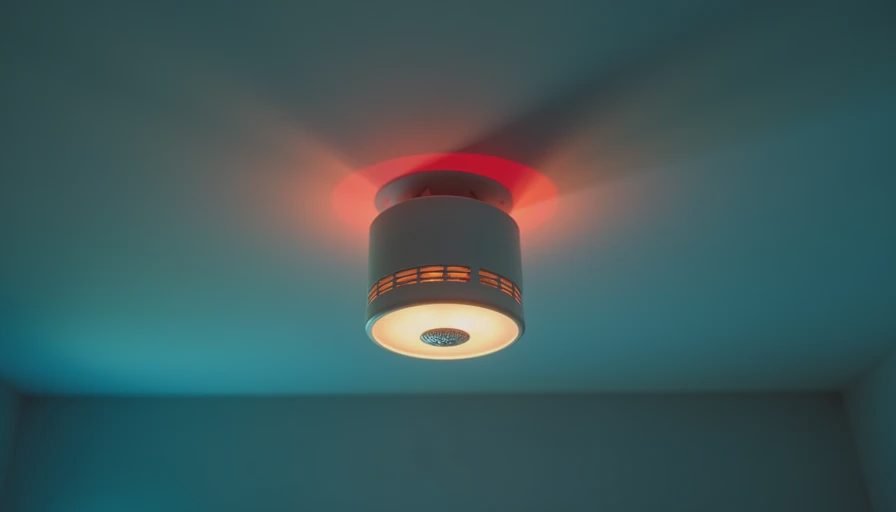
Replace the battery the right way
Before opening a detector, press the test button once and tell everyone in the home that you are checking it. Use the battery type printed on the unit, such as a 9-volt alkaline battery or AA cells. Some models accept lithium batteries, while others specifically warn against them. A bargain battery that does not match the manual can create repeated warnings or reduce reliability.
Remove the old battery and inspect the compartment. Look for corrosion, a loose connector, or a door that does not close completely. Connect the replacement firmly, close the cover, and press the test button. The alarm should produce a strong sound. If the smoke alarm chirp continues after a correct battery replacement, wait several minutes and test again; some models need time to reset.
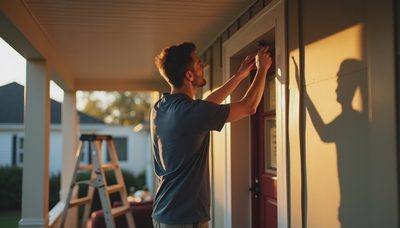
For a hardwired model, turn off power at the circuit breaker before disconnecting the unit from its mounting bracket. The backup battery still matters during an outage. If you are not comfortable identifying the correct breaker or handling the wiring harness, leave the detector mounted and contact an electrician or qualified maintenance professional. A chirp is annoying, but an electrical mistake is a bigger problem.
Clean dust, insects, and cooking residue
Smoke detectors use a sensing chamber that can react to dust, small insects, steam, and fine particles from cooking. Remove the detector according to its instructions, then gently vacuum around the openings using a soft brush attachment. You can also use short bursts of clean compressed air if the manufacturer permits it. Do not spray cleaner, water, insecticide, or canned air directly into the sensing chamber.
Location matters. A detector mounted too close to a bathroom may react to steam. One directly above a toaster or stove may produce nuisance alarms. That does not mean the detector is defective; it may be detecting exactly what it was designed to notice. Relocation should follow local fire-safety guidance, and every sleeping area, hallway outside bedrooms, and level of the home should have appropriate protection.
A recurring smoke alarm chirp after cleaning can indicate contamination that has reached internal components. In that case, replacement is generally more sensible than trying to dismantle the unit. Residential detectors are inexpensive compared with the consequences of missing an actual fire.

When the detector needs replacement
Replace the alarm if it is around 10 years old, has visible damage, fails its test button, or continues warning after a fresh approved battery and careful cleaning. Yellowed plastic, a cracked housing, missing labels, and repeated false alarms are also good reasons to retire it. Write the installation date on the new unit with a permanent marker so the next replacement is not a guessing game.
Photoelectric and ionization alarms use different sensing methods, and combination models offer both types in one device. Rather than treating one technology as perfect, many households use listed combination alarms and follow the placement instructions. Look for a recognized safety certification mark, read the manual, and avoid disabling a detector because it is inconvenient.
Some newer alarms include sealed 10-year batteries. These can remove the twice-yearly battery chore, but the entire unit still needs replacement when its service life ends. Smart detectors can send phone notifications and identify the room, but they still need working power, an active network when applicable, and a household member who responds to the alert.
A five-minute household check
Walk through the home and count the detectors. Press each test button, check for a clear sound, and note any unit that is silent, weak, damaged, or older than its service life. Replace batteries in every replaceable-battery unit during the same visit so one forgotten detector does not create another late-night smoke alarm chirp tomorrow.
Then check carbon monoxide alarms separately. Carbon monoxide is an invisible, odorless gas, and a carbon monoxide alarm is not interchangeable with a smoke detector unless the device is specifically labeled as a combination unit. If a carbon monoxide alarm sounds, move outside to fresh air and call emergency services or the appropriate local authority. Do not rely on opening a window while remaining inside.
Ask children what the alarm sound means and where the family will go outside. Pick a meeting place away from the building, such as a neighbor's driveway or a mailbox across the street. A detector only helps if people recognize the sound and leave promptly.
Stop the noise without weakening protection
Do not permanently remove a battery, cover the alarm, or disconnect a hardwired unit to silence a smoke alarm chirp. Those shortcuts protect your ears by removing protection from the house. Use the hush button only for a confirmed nuisance alarm, and never use it when smoke, heat, or a burning smell is present.
If the sound continues after the practical steps above, replace the detector or ask a qualified professional to inspect the circuit. Keep a spare compatible battery and one replacement detector at home. That small supply turns a midnight problem into a short repair instead of a postponed safety task.
The goal is not perfect security or a house packed with gadgets. It is fewer easy failures. Find the source, replace the right battery, clean the unit carefully, and retire old equipment. Five minutes now beats five hours later—and it gives your family one more working layer of protection when it matters.



No notes on this sheet yet.