At 2 a.m., a smoke detector chirping from the hallway can make the whole house feel broken. If you are searching for how to stop smoke detector from beeping, start by treating the sound as a warning, not an annoyance to silence. A single chirp every 30 to 60 seconds usually points to a low battery, dust, humidity, or an aging alarm. A loud, repeating alarm is different: look for smoke or fire, get everyone outside, and call 911 from a safe location.
The goal is to identify the pattern, address the cause, and test the alarm before you go back to bed. Five minutes now beats five hours later, especially when children, pets, or sleeping family members are in the home.
First, identify the sound and protect the household
Before removing a battery, stand near the device and listen. A short chirp at regular intervals often means low battery or a fault. Some alarms announce “low battery” in a recorded voice. A continuous, loud alarm or a pattern shared by several interconnected detectors requires immediate attention. Do not assume it is a false alarm because you do not see flames.
If there is smoke, a burning smell, heat, or an alarm that will not stop, leave immediately. Close doors behind you if possible, use stairs rather than an elevator, and meet at your family’s outdoor meeting place. Never return for a phone, wallet, or pet while firefighters are responding. Carbon monoxide alarms can also sound urgently without visible smoke; leave the home and call emergency services.
Once you know there is no emergency, check whether the chirp comes from one unit or several. Interconnected alarms can make a problem in one bedroom sound like a problem throughout the house. Press the test button only after the area is safe, and tell sleeping family members before creating the loud test tone.
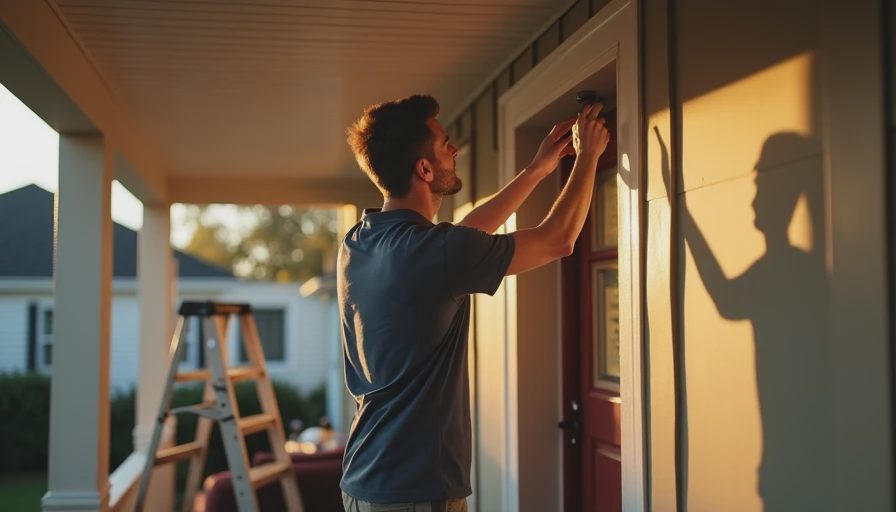
How to stop smoke detector from beeping when the battery is low
The most common fix is replacing the battery. Use a fresh battery of the exact type printed inside the alarm or on its cover. Many older alarms use a 9-volt battery, while newer models often use AA batteries. Lithium batteries can last longer, but the detector must be designed for them. Do not mix an old battery with a new one or substitute a different voltage.
Turn off power at the circuit breaker if the alarm is hardwired and the manufacturer’s instructions require it. Remove the alarm from its mounting plate, open the battery compartment, and check the connector. Install the new battery with the positive and negative ends aligned correctly. A battery drawer that is not fully closed can keep the alarm chirping.
After replacement, press and hold the test button for several seconds. The siren should sound clearly. If the unit continues chirping, remove the battery and disconnect the backup power only if the manual allows it, then hold the test button for about 15 seconds before reconnecting everything. This drains residual charge and resets some models. Do not leave the detector without a working battery while you troubleshoot.
Clean the detector and check its location
Dust, cooking residue, small insects, and cobwebs can interfere with a smoke detector’s sensing chamber. Turn off power where appropriate, then use a vacuum brush or a short burst of clean compressed air around the vents. Keep the nozzle a few inches away rather than pushing debris deeper into the unit. Never spray household cleaner, water, paint, or insecticide into the alarm.
Humidity and temperature changes can also create nuisance alerts. Steam from a bathroom, condensation near an attic, or a detector directly above a stove can trigger warnings. Move the alarm according to its installation instructions rather than placing it next to a bathroom door, cooking appliance, ceiling fan, window, or heating vent. A detector should remain close enough to hear from bedrooms, but not in a spot that repeatedly fills with steam or smoke from normal cooking.
If you are learning how to stop smoke detector from beeping after cleaning, wait a few minutes, reinstall the battery, and run the test. A clean detector that still chirps is more likely to have a power, sensor, or age problem.
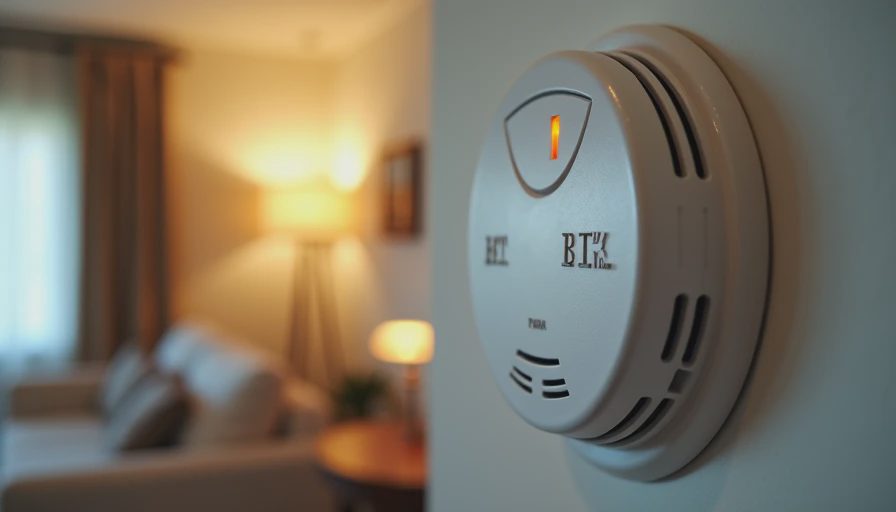
Know when the alarm needs replacement
Smoke detectors do not last forever. Many manufacturers recommend replacing the entire unit after 10 years from its manufacture date, which is usually printed on the back or side. An alarm can look clean and still have a worn sensing chamber, failing electronics, or a backup battery that no longer holds charge. Replacing batteries will not repair an expired sensor.
Replace the unit sooner if it has been painted, damaged, exposed to water, or repeatedly gives fault warnings. For a typical home, a basic battery-powered detector often costs about $15 to $30, while interconnected or smart models commonly cost more. Kidde, First Alert, and Google Nest Protect are examples of product lines with different power, connectivity, and alert features. Choose a model that matches the existing wiring and interconnection system.
A sealed 10-year battery model can eliminate routine battery changes, but it still needs testing and eventual replacement. Do not remove a sealed unit from the ceiling merely because it chirps; read the model instructions first. The chirp may indicate that the whole alarm has reached the end of its service life.
A practical reset and replacement checklist
For how to stop smoke detector from beeping safely, follow this order. First, check for fire or carbon monoxide and evacuate if there is any doubt. Second, identify which detector is making the sound. Third, read the label for the battery type, manufacture date, and reset instructions. Fourth, replace the battery with a fresh, compatible one. Fifth, vacuum the vents and inspect for moisture or insects. Sixth, press the test button and listen for a strong alarm. Finally, replace the detector if it is expired, damaged, or still chirping after these steps.
Do not cover the alarm with tape, remove the battery permanently, or disconnect a hardwired unit and forget it. Those shortcuts create a quiet house without creating a safe one. If the alarm is mounted high on a ceiling, use a stable ladder and ask another adult to spot you. A fall while changing a $20 detector is not a good trade.
How to stop smoke detector from beeping at night
Nighttime chirping often happens because a weak battery becomes less reliable as the room cools. Keep replacement batteries in a known drawer, but store them at normal household temperature and check expiration dates. If multiple detectors chirp together, inspect the primary alarm and the household electrical supply rather than changing batteries randomly.
After the fix, test every alarm in the home once a month using the test button. Check that the sound is audible from bedrooms with doors closed. Review your family’s escape plan twice a year, including a route for young children, older relatives, and pets. Write the installation or replacement date on the inside cover so the next battery change is not a guessing game.
If you have tried the correct battery, cleaning, and reset procedure and the chirp remains, replace the unit or contact the manufacturer. The answer to how to stop smoke detector from beeping is not to defeat the warning; it is to restore a dependable alarm. Protect the front door before you build a taller fence, and let the detector do its one important job.



No notes on this sheet yet.