A chirping alarm at 2 a.m. sends everyone searching for a step stool and a fresh pack of batteries. That is why many homeowners search for smoke alarms without battery options. The phrase can mean two different things: a hardwired alarm that receives power from your home's electrical system, or a unit with a sealed battery that you cannot remove. Understanding that difference helps you choose reliable protection instead of simply avoiding one annoying maintenance task.
Smoke alarms are not a substitute for a fire escape plan, but they are one of the simplest ways to gain early warning. The right model, installed in the right place and tested regularly, gives your household more time to wake up, get outside, and call emergency services.
What smoke alarms without battery power actually mean
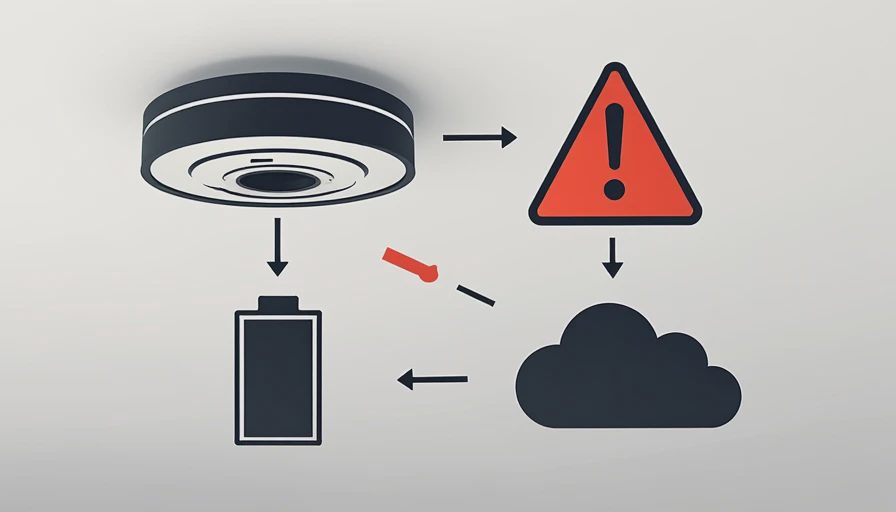
A truly battery-free alarm is usually hardwired. An electrician connects it to the home's electrical wiring, and the device typically includes a backup battery so it can continue working during a power outage. In that sense, most hardwired alarms are not completely without a battery; they simply do not rely on a removable battery for everyday power.
A second option is a sealed 10-year battery alarm. Its battery is built into the alarm and is not intended to be replaced during the unit's service life. This design eliminates the familiar low-battery chirp caused by an old nine-volt battery, but it does not eliminate power entirely. When the alarm reaches the end of its rated life, you replace the whole device.
Read the package carefully. A label such as "no replaceable battery" often describes a sealed-battery model, while "hardwired" describes the power connection. Those are useful features, but they are not interchangeable. If you rent, ask the property manager before changing a hardwired alarm or altering electrical wiring.
Hardwired versus sealed-battery alarms
Hardwired alarms are common in newer construction and homes where several alarms are interconnected. When one detects smoke, every connected alarm can sound. That matters in a two-story house: a detector in the basement can alert someone sleeping upstairs more quickly than a single alarm in a hallway. Hardwired units often use a backup battery, and that backup still needs testing and eventual replacement.
Sealed-battery alarms are often easier for a homeowner to install because they do not require access to electrical wiring. They can be a practical choice for an older home, a rental with permission, or a finished room where wiring would be disruptive. The tradeoff is that the entire alarm must be replaced when its battery expires, commonly after about 10 years.
Smoke alarms without battery power in the everyday sense can reduce maintenance, but they cannot remove every maintenance responsibility. Dust, paint, insects, aging sensors, and a forgotten test button can all affect performance. A convenient design is helpful; it is not a set-it-and-forget-it safety system.
Choose the right sensor for each room
Most residential smoke alarms use ionization, photoelectric, or dual-sensor technology. Ionization alarms can respond quickly to fast-flaming fires, while photoelectric alarms are generally better at detecting the smoke from slow, smoldering fires. A dual-sensor model combines both approaches in one device.
For many households, a photoelectric or dual-sensor alarm is a sensible starting point, especially near bedrooms and living spaces. Do not install a standard smoke alarm directly above a stove or too close to a bathroom, where cooking smoke and steam can cause nuisance alarms. Use a listed heat alarm where appropriate for a garage or another location that regularly experiences fumes, dust, or temperature changes. Follow the manufacturer's spacing and placement instructions rather than guessing.
Some smart alarms, including products from brands such as Google Nest, First Alert, and Kidde, can send phone notifications or announce whether they detected smoke or carbon monoxide. A phone alert is useful when you are away, but it should supplement local sirens. Wi-Fi can fail, a phone can be muted, and cloud features can change. The alarm in the hallway still needs to make a loud sound in the house.
Install and test them in five minutes
Start by counting sleeping areas, floors, and rooms where people spend time. The National Fire Protection Association generally recommends alarms inside bedrooms, outside sleeping areas, and on every level of a home. Many homes also benefit from an alarm in a basement and a carbon monoxide alarm near sleeping areas if the home has fuel-burning appliances or an attached garage.
If you are replacing an existing device, check its manufacture date and compatibility before buying a replacement. Smoke alarms are commonly replaced after 10 years, even if they still chirp and pass a basic test. A new unit should be mounted firmly, with no gap that allows smoke to bypass the sensing chamber. Avoid covering vents with paint or decorative material.
Press the test button once a month. Tell children what the alarm sounds like so they do not freeze or hide during a real emergency. If the alarm chirps, clean it according to the instructions and identify whether the sound means low battery, malfunction, or end of life. Do not remove the battery and leave the alarm disabled while you shop for a replacement.
Avoid the maintenance traps
The biggest problem with smoke alarms without battery replacements is false confidence. A sealed battery can last for years, but the alarm still needs a monthly test and occasional cleaning. A hardwired alarm can still fail if its backup battery is missing, expired, or installed incorrectly. Put a recurring reminder on your phone for the first day of each month; the whole check usually takes less than five minutes.
Never silence a nuisance alarm by taking out its battery or disconnecting its wiring. Instead, move the alarm farther from a kitchen or bathroom if the manufacturer's instructions allow it, improve ventilation, or choose a model with a hush feature. Frequent false alarms train people to ignore the sound, which defeats the purpose.
Also watch for end-of-life warnings. A repeating chirp that continues after a battery change can mean the sensor itself has aged out. Write the installation date on the alarm with a marker, or keep a simple note in your home maintenance app. That small record prevents a future guessing game.
A practical buying decision for your home
Choose a hardwired interconnected system when your home already has compatible wiring, when you are remodeling, or when whole-house alerts are important. Have electrical work completed by a qualified professional. The installation can cost more upfront, but interconnected alarms provide a useful advantage in larger homes.
Choose sealed-battery alarms when you need a simpler replacement, rent with permission, or have no existing alarm wiring. Look for a recognized safety listing, a clear 10-year replacement date, a loud local alarm, and a test or hush button that is easy to reach. For a typical small home, replacing several alarms may cost roughly $60 to $200 for the devices, while professional hardwired installation can add substantially more depending on access and local labor rates.
The best choice is the one that will be installed correctly and maintained. Smoke alarms without battery confusion should not delay action: check every floor, replace outdated units, and test the alarms tonight. Five minutes now beats five hours later, and a working alarm gives your family a better chance to get out before a small fire becomes an overwhelming emergency.




No notes on this sheet yet.