At 2:13 a.m., a smoke alarm chirping from the hallway can wake the whole house, including the dog. If you are searching for how to stop smoke alarm from beeping, start by treating the sound as a message, not an annoyance. Most chirps point to a low battery, dust, power interruption, or an aging alarm. A continuous, loud alarm is different: get everyone outside and call 911 if smoke or fire is present.
The goal is to silence the nuisance without disabling an important warning. Five minutes now beats five hours later, especially when a small battery problem can become a dead alarm during an emergency.
Identify the sound before touching the alarm
Listen to the pattern. A single chirp every 30 to 60 seconds usually indicates a low battery, although the exact pattern depends on the manufacturer. A repeating series of loud beeps, a voice warning, or an alarm that continues after you press the hush button can indicate smoke, heat, or carbon monoxide. Do not assume every sound is a battery issue.
If the alarm says “carbon monoxide,” move people and pets outside immediately. Carbon monoxide has no smell, and opening a window is not a reliable substitute for leaving. Call 911 or your local emergency number from outside. If several interconnected alarms activate, check for danger throughout the home rather than silencing only the unit closest to you.
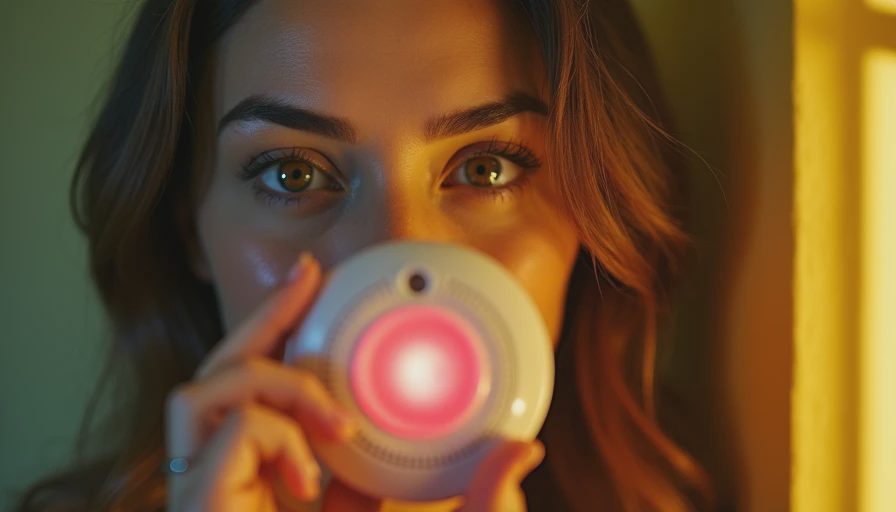
For a lone chirp, look at the alarm’s indicator light and read the label on its side. The model number and manufacturer instructions often explain the exact signal. Kidde, First Alert, Google Nest Protect, and other brands use different sounds and reset procedures, so the label is more useful than guessing from a random video.
Replace the battery and reset the unit
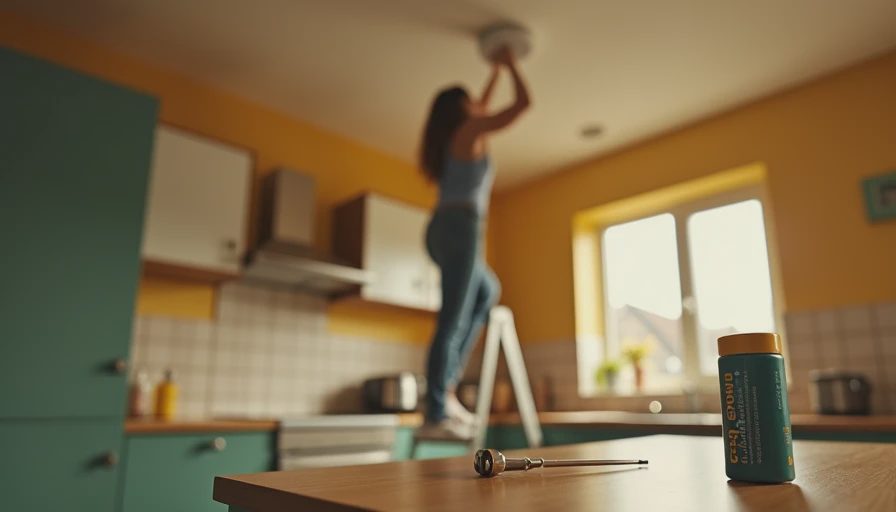
The most common answer to how to stop smoke alarm from beeping is replacing the battery correctly. Use a sturdy step stool, not a chair, and ask another adult to steady the area if the alarm is high on a ceiling. Twist or slide the alarm from its mounting bracket according to the instructions. Some hardwired models still contain a backup battery, so do not assume household wiring means there is no battery to replace.
Match the battery type printed inside the compartment. Many alarms use a 9-volt battery, while newer models often use AA batteries or a sealed lithium battery. Insert the battery with the positive and negative ends aligned. A fresh battery that is installed backward will not solve the chirp and can damage the compartment contacts.
After installing it, hold the test button for several seconds. The alarm should produce a loud test sound. If the unit is hardwired, switch off the correct circuit breaker before disconnecting anything, and never remove wiring simply to make the noise stop. If you are unsure which breaker controls the alarm, leave the wiring alone and contact an electrician.
Some alarms continue chirping after a battery change because they retain a small amount of electrical charge. Remove the battery, disconnect the alarm from household power if the instructions allow it, then hold the test button for about 15 seconds. Reconnect the alarm, install the battery, and test it again. Follow the manufacturer’s manual if its reset process differs.
Clean dust, insects, and cooking residue
Dust or a tiny insect inside the sensing chamber can create false alarms or intermittent chirps. With the alarm powered down as directed, use a vacuum cleaner’s soft brush attachment around the vents. You can also use short bursts of clean compressed air from a distance, but avoid poking a cotton swab, screwdriver, or other object into the sensing chamber.
Think about the alarm’s location. A unit directly beside a bathroom may react to steam, while one near a kitchen can collect grease and cooking residue. Do not remove a kitchen alarm to prevent false alarms. Instead, use the hush feature during brief cooking events, improve ventilation, or ask a professional about a manufacturer-approved placement change. Smoke alarms should remain close enough to detect a real fire quickly.
When considering how to stop smoke alarm from beeping, cleaning is useful only after ruling out an actual fire or carbon monoxide event. A quiet alarm is not automatically a safe alarm. Press the test button after cleaning and confirm that every interconnected unit responds if the system is designed to communicate between rooms.
Check the alarm’s age and power source
Smoke alarms do not last forever. Many manufacturers recommend replacing the entire unit about every 10 years, while some models have different service-life guidance printed on the alarm. Look for a manufacture date or replacement date on the back. If the date is missing, the plastic is yellowed, the test button is unreliable, or the unit keeps chirping with a new battery, replacement is usually more practical than continued troubleshooting.
A basic battery-powered smoke alarm often costs roughly $15 to $30. Combination smoke and carbon monoxide alarms commonly cost more, and smart models can cost $80 or beyond. Choose a listed product from a reputable manufacturer, follow the package instructions, and do not mix random alarm types in an interconnected system unless they are specifically compatible.
Sealed 10-year battery alarms can reduce middle-of-the-night battery changes, but they still need testing and eventual replacement. They are not a reason to ignore a chirp. When the sealed battery is depleted, the whole alarm normally needs to be replaced.
Fix a repeating chirp in a connected system
If one alarm chirps but you cannot identify which one, walk through each bedroom, hallway, basement, and garage-adjacent area. The sound can echo, making the source seem farther away. Press the test or hush button on each unit only after confirming there is no smoke or danger.
Interconnected alarms can also chirp because one unit has a weak battery, loose connection, incompatible replacement, or power interruption. Check the alarm that first showed a warning light or voice message. For hardwired systems, a brief outage, tripped breaker, or renovation dust can cause trouble. Do not tape over the alarm, remove its battery permanently, or disconnect the interconnect wire. Those shortcuts create a gap when your family needs the system.
Call an electrician or qualified alarm technician if the chirp continues after a proper battery change and cleaning, if wiring looks damaged, or if the unit activates without an understandable cause. A service visit can be cheaper than repeatedly buying batteries for a failing system.
Make the fix last tonight
Once you know how to stop smoke alarm from beeping, prevent the next interruption with a simple household routine. Test alarms monthly using the test button. Replace disposable batteries when daylight saving time changes or on a calendar reminder. Keep spare batteries in a dry cabinet, not loose in a junk drawer where the terminals can touch metal.
Every bedroom, the area outside sleeping rooms, and each level of the home should have working smoke alarms. Follow local building and fire guidance for exact placement. Keep alarms away from paint, decorations, and anything that blocks the vents. Teach children that an alarm is a signal to leave, not a toy to silence.
If you still need how to stop smoke alarm from beeping after these checks, write down the brand, model, sound pattern, age, and what you already tried. That information helps a retailer, electrician, or fire department answer faster. Protect the front door before you build a taller fence: restore the alarm, test it, and replace an unreliable unit today.




No notes on this sheet yet.