A smoke alarm starts screaming while you are cooking dinner, helping with homework, or carrying a sleeping child upstairs. Knowing how to turn off smoke detector alarms is useful, but the first step is always to look for real smoke or fire. Never silence an alarm before checking the kitchen, bedrooms, garage, attic access, and nearby rooms. If you see flames, heavy smoke, or feel unsafe, get everyone outside and call 911 from a safe location.
Most nuisance alarms come from cooking smoke, shower steam, dust, insects, low batteries, or a detector that has reached the end of its service life. The correct response depends on which of those problems you are facing. A temporary hush is different from removing the battery, and neither is a substitute for replacing a faulty alarm.
How to turn off smoke detector alarms during cooking or steam
If there is no fire, press the detector's Test, Silence, or Hush button once. Many residential alarms silence the horn for several minutes while continuing to monitor the room. Some models automatically reset after the smoke clears. Use a broom handle or sturdy step stool only if you can reach the button safely; never climb onto a chair balanced on another object.
After silencing the unit, open a window or door and run the kitchen exhaust fan. Move a portable fan so it pushes air away from the detector rather than blowing smoke through the home. If steam from a bathroom triggers the alarm, improve ventilation and keep the door closed while showering. Do not cover the detector with plastic, tape, a towel, or a shower cap. That blocks the sensor and creates a dangerous blind spot.
If the alarm sounds again after the air clears, inspect the detector. Dust can collect inside the sensing chamber, especially near a kitchen, workshop, or forced-air vent. Turn off power to a hardwired model at the electrical panel before cleaning around it, then follow the manufacturer's instructions. A vacuum with a soft brush attachment can remove surface dust. Avoid spraying cleaner, water, or compressed air directly into the device.
How to turn off smoke detector chirping
A single chirp every 30 to 60 seconds usually means the battery is low, although the exact pattern differs by model. Replace the battery with the type listed on the alarm, often a 9-volt, AA, or AAA battery. Some newer alarms use sealed lithium batteries that cannot be replaced. In that case, the entire alarm usually needs replacement when it begins chirping or reaches its stated service date.
When changing a battery, remove the alarm from its mounting bracket if necessary and check the expiration or manufacture date. Smoke alarms are commonly replaced after about 10 years, but the label and manual control the decision. Press the Test button after installation. The alarm should produce a strong, clear sound. If it stays silent, chirps again, or gives a weak tone, treat it as unreliable.
Hardwired alarms can still have backup batteries, so being connected to household electricity does not eliminate battery maintenance. If several interconnected alarms sound together, the unit detecting smoke may be in another room. Check every alarm instead of assuming the loudest one is the source. A new battery may stop a chirp, but repeated alarms can indicate dust, wiring trouble, sensor failure, or a unit that needs replacement.
How to turn off smoke detector alarms without creating a safety gap
Some people search for how to turn off smoke detector alarms because a detector keeps sounding at night. Removing its battery can stop the noise, but it also removes protection from that room. A safer short-term solution is to silence the alarm, ventilate the area, clean it as directed, and replace it promptly if the behavior continues. If you must remove a defective unit, install a working replacement the same day.
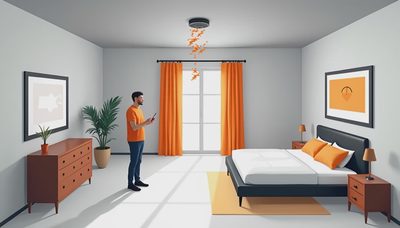
Do not disconnect an alarm simply because it is near a stove. Relocating it may solve repeated cooking alarms, but placement matters. Follow the installation guide and local fire-safety guidance; alarms generally belong inside bedrooms, outside sleeping areas, and on each level of a home. Keep them away from dead-air corners, vents, and the immediate edge of a kitchen while preserving coverage.
Carbon monoxide alarms require extra caution. Carbon monoxide is invisible and odorless, so there may be no obvious sign of danger. If a carbon monoxide alarm sounds, move everyone outside into fresh air and call emergency services or the appropriate utility emergency line. Do not silence it and remain indoors to troubleshoot. Smoke alarms and carbon monoxide alarms may look similar, but their warnings require different responses.
A five-minute household reset
Once the immediate alarm has stopped, walk through the home with a phone or notepad. Record which detector sounded, what was happening nearby, the alarm's brand and model, and whether the sound was a full alarm or an occasional chirp. That small record helps you identify patterns. For example, a detector near the oven may need better placement, while a hallway alarm that chirps at midnight may have a failing battery.
Check every unit's test button, battery status, and date. Ask children what they should do if the alarm sounds: leave immediately, use the stairs, stay outside, and never go back for toys or pets. Choose an outdoor meeting place, such as the mailbox or a neighbor's driveway. Practice the route once, especially if a bedroom is upstairs or a family member may need assistance.
Smart alarms can send phone notifications, but an app is not a replacement for a loud local alarm. Keep notifications enabled and update the device when prompted. If you rent, report a defective hardwired detector to the landlord or property manager rather than removing it yourself. Take a photo of the model label and the problem so the repair request is clear.
When to replace the detector
Replace an alarm that is more than 10 years old, has visible damage, fails its test, or continues to sound after the room is clear and the sensor is clean. Consider replacing all interconnected alarms together when they are the same age. A basic replacement often costs roughly $15 to $40, while combination smoke and carbon monoxide models or smart alarms can cost more. The price of a new detector is small compared with the protection it provides.
If you are still wondering how to turn off smoke detector alarms, remember the order: check for fire, use the hush button only when the area is safe, clear the trigger, replace the battery or unit, and restore coverage. Five minutes now beats five hours later. The goal is not to make the alarm quiet at any cost; it is to make sure your family can hear a real warning when it matters.



No notes on this sheet yet.