It is usually late, the house is quiet, and one sharp chirp comes from the hallway ceiling. Then another follows. If you are asking, why is my fire alarm beeping, start with safety rather than frustration. A chirp often means a low battery, but smoke, carbon monoxide, dust, an expired alarm, or a wiring problem can also be involved. Five minutes now beats five hours later.
First, rule out an actual emergency
Before touching the alarm, look and listen for signs of danger. If you see smoke, smell something burning, hear a continuous alarm, or notice unusual heat, get everyone outside immediately. Do not spend time searching for the source. Call 911 from outdoors and do not reenter until firefighters say it is safe.
Carbon monoxide is different because it has no smell or color. If a carbon monoxide alarm sounds, leave the home, move away from the building, and call 911 or your local fire department. Do not open windows and then remain inside to investigate. If anyone has a headache, dizziness, nausea, weakness, or confusion, mention those symptoms to emergency responders.
A single chirp every 30 to 60 seconds, with no smoke or other warning signs, usually points to maintenance. Still, never assume that every sound is harmless. Check whether the device says smoke, carbon monoxide, or combination on its cover, because the troubleshooting steps and urgency can differ.
Why is my fire alarm beeping at regular intervals?
The most common answer is a weak battery. Many alarms begin chirping when the battery voltage drops, even if the alarm still has enough power to test successfully. Remove the alarm from its bracket if the model allows it, open the battery compartment, and install the battery type listed on the label. Alkaline batteries are common, but some units require a sealed lithium battery or a specific replacement pack.
Press and hold the test button for several seconds after replacing the battery. The alarm should produce a loud test sound. If several interconnected alarms sound together, find the unit with a flashing light, display message, or voice announcement. One old detector can trigger confusion across the entire system.
Battery replacement does not always stop the noise immediately. Some models need a reset. With the battery removed, hold the test button for about 15 to 20 seconds, then reinstall the battery. For a hardwired alarm, switch off the appropriate circuit only if you can do so safely, disconnect the backup battery, hold the test button, and reconnect everything according to the manufacturer’s instructions.
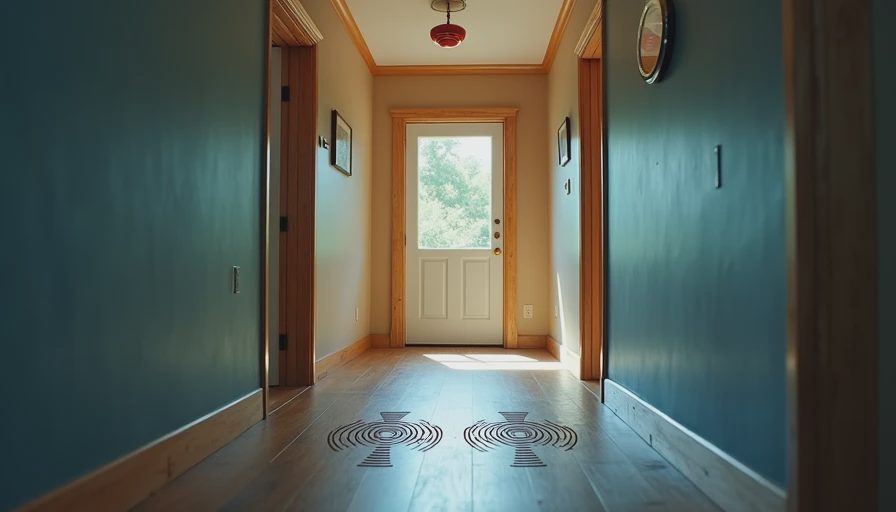
Other common causes of a chirping alarm
Dust and small insects can interfere with the sensor chamber. Turn off power to a hardwired unit, if appropriate, and use a vacuum attachment around the alarm’s openings. Do not spray cleaner, water, or insecticide into the device. Steam from a bathroom, cooking smoke, aerosol spray, and strong temperature changes can also cause nuisance alarms. Moving a detector farther from a kitchen, bathroom door, or heating vent may help, but never remove required alarms simply because they are inconvenient.
An alarm that is roughly ten years old may need replacement even when its battery is fresh. Look for a manufacturing date or replace-by information on the back. First Alert, Kidde, Google Nest Protect, and other brands print model-specific instructions on their labels or support pages. A replacement unit often costs about $15 to $60, while combination smoke and carbon monoxide models commonly cost more. That is a small price compared with relying on a sensor that has aged beyond its intended service life.
Power interruptions can also explain a beep from a hardwired model. A loose connection, tripped breaker, or failing backup battery can produce repeated warnings. Do not attempt electrical repairs inside the alarm box. If a fresh battery and reset do not solve the problem, contact an electrician, landlord, or qualified alarm technician.
Why is my fire alarm beeping after I changed the battery?
If you are still asking why is my fire alarm beeping after a new battery, check the battery orientation and make sure the compartment closes completely. A battery drawer that is slightly open can prevent proper contact. Confirm that the replacement battery is fresh and matches the required type; a battery pulled from a junk drawer may already be weak.
Next, check whether the chirp comes from another alarm. Sound travels through hallways and stairwells, making the source surprisingly difficult to locate. Stand beneath each unit and listen, or use a phone recording to help identify the timing. Some alarms announce “low battery” or “replace alarm” in a voice, while others use different light patterns.
If the detector is connected to other alarms, use the silence or test function described in its manual. Do not tape over the speaker, remove the battery permanently, or disconnect the whole group. Those shortcuts stop the warning but also create a serious gap in protection. The goal is not perfect technology; it is fewer easy opportunities for a household emergency to become worse.

A practical five-minute household check
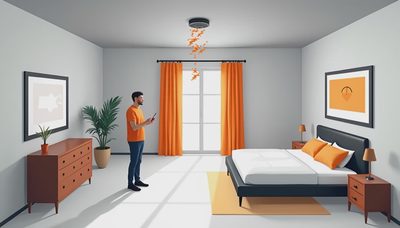
When the immediate risk is ruled out, walk through the house and inspect every alarm. Confirm that smoke alarms are installed on each level, outside sleeping areas, and inside bedrooms when recommended by local guidance and the manufacturer. Keep alarms at least several feet from cooking appliances when the installation instructions allow that placement, while preserving required coverage.
Press each test button and listen for a strong, unmistakable sound. Ask children what the alarm means and where the family should go. Choose an outdoor meeting place, such as the mailbox or a neighbor’s driveway, and practice leaving by two routes from bedrooms. If your home has a smart alarm, check its app notifications, Wi-Fi connection, and phone permissions, but remember that an app is not a substitute for the audible alarm.
Write the installation or replacement dates in your phone. Set a reminder for battery checks if your alarms use replaceable batteries, and plan to replace older units according to the manufacturer’s service life. Rental residents should report defective or expired alarms to the property manager in writing and keep a copy of the request.
When to replace or call for help
Replace the alarm if it continues chirping after a correct battery installation and reset, if it has visible damage, if it has been painted, or if it is past its stated service life. Replace a unit that fails its test button or gives a “malfunction” message. Do not mix parts from different brands or assume every alarm can share the same wiring harness.
Call a qualified professional for hardwired alarms that repeatedly fault, alarms connected to a security panel, or any device you cannot safely remove. If you live in an apartment, ask management to inspect the system rather than altering it yourself. A technician can identify a wiring issue, incompatible replacement, or end-of-life warning that a quick battery swap will not fix.
If you are still wondering why is my fire alarm beeping, identify the sound pattern, check for smoke or carbon monoxide first, replace the correct battery, clean the sensor gently, and verify the alarm’s age. Five minutes now beats five hours later. Protect the front door before you build a taller fence: make sure the devices already watching over your family can actually do their job.



No notes on this sheet yet.