A smoke detector chirp at 2 a.m. can make the whole house feel like a mystery. You replace one battery, wait for silence, and then hear the same sharp beep from somewhere down the hallway. A smoke detector chirp usually means the alarm needs attention, but it does not always mean the battery is the only problem. Here is a practical way to find the source and fix it without guessing.
What the chirp is telling you
A single chirp every 30 to 60 seconds commonly indicates a low battery. Some alarms use a different pattern for a malfunction, sensor contamination, end-of-life warning, or a device that has lost power. The sound can travel through walls and ceilings, so the alarm you hear in the bedroom may actually be in the basement, garage entry, or hallway.
Start by standing beneath each alarm and listening for the loudest signal. Do not assume the newest-looking unit is innocent. Check smoke alarms, combination smoke-and-carbon-monoxide alarms, and any alarm connected to a security system. Write down the brand, model, and date printed on each device. That small inventory prevents the classic mistake of changing one battery while an older alarm continues making the noise.
If the sound is a full alarm pattern rather than an occasional chirp, treat it differently. Look for smoke, burning odors, a furnace problem, or possible carbon monoxide. Get everyone outside and call emergency services when there is a real hazard. A warning chirp is usually a maintenance issue; a loud repeating alarm deserves immediate action.
The five-minute battery and reset fix
Before opening an alarm, ask everyone to pause cooking, showers, and loud music. A quiet house makes it easier to identify the source. Use a fresh battery of the type listed on the alarm, often a 9-volt, AA, or specialty lithium battery. Do not rely on a battery that has been sitting in a junk drawer for years. Check the expiration date when one is printed.
Turn off power at the circuit breaker if the alarm is hardwired and the manufacturer requires it. Remove the alarm from its base, replace the battery, and press the test button for 15 to 20 seconds. This drains residual power and resets many models. Reattach the alarm, restore power if needed, and press the test button again. A working alarm should produce a strong, recognizable test sound.
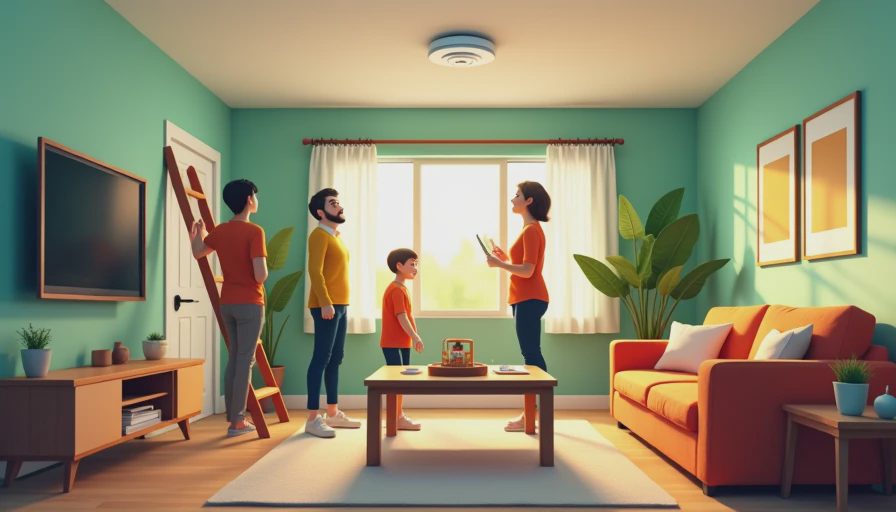
If the smoke detector chirp continues, remove the battery briefly and inspect the contacts. Corrosion, dust, or a battery drawer that does not close completely can interrupt power. Never tape over the speaker or remove the battery and leave the alarm disabled. Five minutes now beats five hours later, especially when sleeping children depend on those alarms working overnight.
Why a new battery may not solve it
A smoke detector chirp can come from the device reaching the end of its service life. Many smoke alarms are designed to be replaced after about 10 years, while carbon monoxide alarms often have a shorter rated life. Look for a manufacture date or replace-by label on the back. If the date is missing, the plastic is yellowed, or the unit has survived several battery changes, replacement is more sensible than continued troubleshooting.
Dust and small insects can also affect the sensing chamber. With the alarm disconnected from power, use a vacuum brush or a short burst of canned air around the vents. Avoid spraying cleaners, paint, or bug spray into the alarm. Steam from a bathroom, cooking particles, and cold air near an attic hatch can trigger nuisance alerts. Moving the alarm farther from a stove or bathroom may help, but do not remove required alarms to stop false alarms.
Some interconnected alarms communicate with one another. One failing unit can cause a smoke detector chirp from the network, even when another alarm appears quiet. Consult the model instructions for the test and hush sequence. If one unit behaves differently during testing, replace that unit first and retest the group.
Choosing a replacement alarm
For a straightforward replacement, match the power type and mounting style. A hardwired alarm may need a compatible wiring harness or adapter, and a battery-only alarm should not be connected to household wiring. Combination smoke-and-carbon-monoxide alarms are useful near sleeping areas, but they still need to be installed according to the manufacturer’s placement instructions.
Ionization and photoelectric sensors respond differently to fires, so many households choose alarms that use both technologies. Look for a listed product from a recognized safety-testing organization, a clear expiration date, a loud test button, and an accessible silence feature. Brands such as First Alert and Kidde sell common residential models, but the best choice is one you can install correctly and test regularly.
Avoid buying an alarm solely because it connects to an app. Smart alerts can be helpful when you are away, but Wi-Fi does not replace a local siren. If your family has hearing-impaired members, consider listed visual or vibrating notification accessories rather than assuming a phone alert will wake everyone.

A simple inspection plan for the whole house
Once you stop the smoke detector chirp, inspect every alarm instead of treating the noisy one as an isolated nuisance. A useful sequence is:
- Test alarms on every floor, including the basement and outside sleeping areas.
- Confirm that each unit has power and that its test button produces a strong sound.
- Check manufacture dates and replace alarms at the end of their rated service life.
- Vacuum visible dust from the vents without opening the sensing chamber.
- Keep alarms away from direct cooking fumes, shower steam, and strong air currents.
- Record the battery type and replacement date in a phone note or calendar.
The goal is not perfect gadget maintenance. It is fewer easy failures when your family needs an early warning. Test alarms monthly, replace conventional batteries on the schedule in the instructions, and practice leaving the house when the sound starts. Children should know two ways out of their bedroom and a meeting place outside.
When to call for help
Call an electrician when a hardwired alarm repeatedly loses power, wiring looks damaged, or the breaker trips. Contact the manufacturer when a new unit continues to chirp after the correct battery and reset procedure. Replace rather than repair an alarm with a cracked housing, water damage, melted plastic, or an unexplained malfunction.
Emily asked the question most readers are probably asking too: what if the chirp stops after the battery is removed? Put the battery back or install a new one immediately. Silence is not proof that the house is protected; it can simply mean the alarm has been disabled. If you smell gas, suspect carbon monoxide, see smoke, or hear a full emergency pattern, leave first and investigate later.
A smoke detector chirp is annoying, but it is also useful information. Find the right unit, restore its power, check its age, and test the entire system. Protect the front door before you build a taller fence: reliable alarms are one of the simplest safety improvements a family can make today.


No notes on this sheet yet.