A smoke alarm chirping during dinner can make everyone jump, especially when a little kitchen smoke turns into a full-volume siren. If you are searching for how to disable smoke alarm alerts, start with the safest option: silence the nuisance alarm temporarily rather than removing its batteries or leaving it unprotected. A working alarm is one of the most important few-minute safety steps in a home.
The right solution depends on what you are hearing. A loud alarm could signal smoke or fire, while a single chirp every minute often points to a low battery, an expired unit, dust, or a power issue. Treat every continuous alarm seriously first. Look, listen, and move everyone outside if you see smoke, smell burning, or cannot identify the cause quickly.
Use hush mode before removing anything
Most modern smoke alarms include a Test or Hush button on the front. Pressing it once can silence a nuisance alarm for several minutes, although the exact timing varies by model. This is the preferred answer to how to disable smoke alarm noise while cooking because the sensor remains installed and ready to detect a dangerous change.
Stand where you can safely reach the button without leaning over a hot stove. Do not cover the alarm with a towel, plastic bag, or tape. Those tricks block the sensor and can delay a real warning. If the alarm is interconnected with other alarms, pressing Hush on the unit that detected the cooking smoke may silence the network, but check each device if the sound continues.
After the alarm quiets, ventilate the room with a range hood, open window, or fan directed away from the stove. Never fan smoke toward a detector or use an aerosol spray to trigger a test. Five minutes now beats five hours later, and a clean, working detector is worth more than a quiet kitchen.
Find out why the alarm keeps sounding
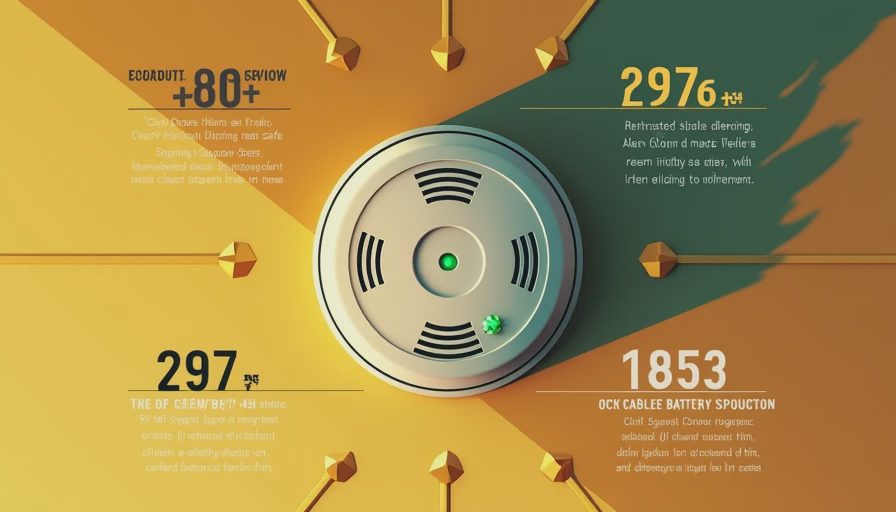
If you need to know how to disable smoke alarm alerts more than once a week, the problem is probably placement, maintenance, or the alarm itself. Detectors installed directly above a stove, toaster, shower, or fireplace can react to normal steam and cooking particles. A better location is generally on the ceiling or high on a wall, away from those sources, while still following the manufacturer’s installation instructions.
A single chirp is different from a repeating emergency alarm. Replace a replaceable battery with the correct type, often a 9-volt or AA battery depending on the model. For hardwired alarms, a backup battery can still be dead even when the home has power. Press Test after replacement and listen for a strong, clear response.
Dust and small insects can also affect the sensing chamber. Turn off power to a hardwired unit before cleaning according to its manual, then use gentle compressed air or a soft vacuum brush around the openings. Do not spray cleaner inside. If the alarm is roughly 10 years old, replacement is usually more sensible than continued troubleshooting because sensors age over time.
What not to do during an alarm
Knowing how to disable smoke alarm equipment does not mean defeating it during a suspected fire. Never remove the battery while smoke is present, disconnect a hardwired unit to stop an alarm, or leave a detector covered overnight. If flames, heavy smoke, a burning smell, or heat are involved, get people and pets outside, call 911, and stay out until emergency responders say it is safe.
Do not assume a quiet alarm means the danger is gone. Smoke can spread through hallways and bedrooms before flames are visible. Keep bedroom doors closed while sleeping, and make sure children know two ways out of each sleeping area when possible. Choose an outdoor meeting point, such as the mailbox or a neighbor’s driveway, so nobody goes back inside looking for someone who is already safe.
This is not a reason to panic. It is a reason to change one setting and keep the front door protected. The goal is fewer easy wins for fire, smoke, and household confusion.
Safer fixes for common household triggers
If cooking creates frequent false alarms, use the alarm’s Hush button before the smoke becomes thick, and lower the heat instead of disabling the detector. Clean grease from the range hood filter, keep the toaster away from the alarm, and use a lid when searing food. A photoelectric alarm can be less prone to certain cooking nuisances than other designs, but no detector should be selected or relocated without reading its instructions.
For bathroom steam, improve ventilation and keep the alarm outside the immediate steam path. If a basement detector reacts to dust, clean the area and check for a furnace or electrical problem before assuming it is a nuisance. A carbon monoxide alarm is also important near sleeping areas, but it detects a different hazard and does not replace smoke alarms.
If your alarm is connected to a smart-home system, open the manufacturer’s app and review notifications, battery status, and device names. Brands such as First Alert and Kidde use different button layouts and app features, so the printed manual or model number matters more than a generic online instruction.
A five-minute reset checklist
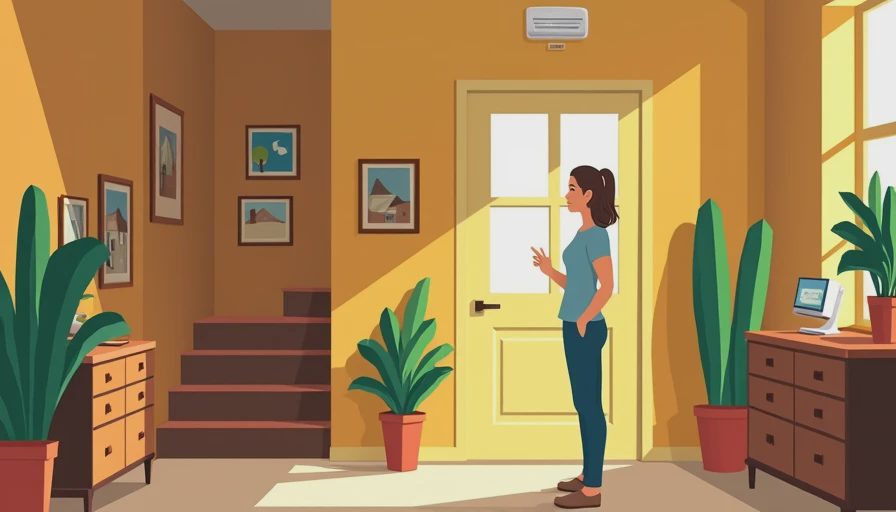
When a smoke alarm sounds unexpectedly, follow this order:
- Look for smoke, flames, heat, or a burning smell. If any are present, leave immediately and call 911 from outside.
- If there is no danger, press Test or Hush once. Do not block the alarm or pull its battery as a first response.
- Ventilate cooking or shower steam, then identify the source rather than simply accepting repeated alarms.
- Replace a low battery and test the unit. For hardwired models, confirm the backup battery is installed correctly.
- Clean the outside openings gently and check the manufacture date. Replace an old, damaged, or unreliable detector.
- Restore normal operation before going to bed, leaving home, or allowing children to sleep in the area.
Write the model number inside a notes app or take a photo of the label. That small step makes future troubleshooting faster when the alarm starts chirping at 2 a.m. Keep spare batteries where adults can find them, but store them away from young children.
When replacement is the better answer
Repeatedly searching how to disable smoke alarm alerts can hide a larger safety issue. Replace the unit if it is past its recommended service life, has visible damage, fails a test, sounds without an explainable cause, or cannot hold a fresh battery. Replace all interconnected alarms when the manufacturer requires matching units, and avoid mixing incompatible models.
A new detector often costs about $15 to $60, depending on whether it has photoelectric sensing, voice alerts, a sealed 10-year battery, or smart-home connectivity. That is a small price compared with losing sleep over unreliable protection. Test every alarm monthly, keep pathways clear, and review the escape plan with children twice a year.
The safest answer to how to disable smoke alarm noise is usually to hush it briefly, fix the trigger, and restore full coverage. Protect the front door before you build a taller fence: keep the detector installed, powered, and ready for the emergency you cannot schedule.



No notes on this sheet yet.