When you hear smoke detector three quick chirps from a hallway or bedroom, treat the sound as an active warning until you know otherwise. Do not assume it is only a low battery. Smoke alarms use different patterns, and the exact meaning depends on the manufacturer, model, and whether the device also detects carbon monoxide. Your first job is protecting people, not silencing the noise.
Wake everyone in the home and move outside using the safest available exit. Feel a door with the back of your hand before opening it. If it is hot, or if smoke is visible, use another route and stay low. Once outside, call 911 from a safe location. Never go back inside for a phone, pet, wallet, or charger. Tell the dispatcher if anyone or any animal may still be inside.
What smoke detector three quick chirps usually means
A repeating pattern of three loud beeps, followed by a pause, commonly means the alarm has detected smoke or a possible fire. It is different from the occasional single chirp many alarms use for a weak battery, sensor problem, or end-of-life warning. However, there is no universal sound code that applies to every brand. Kidde, First Alert, Google Nest Protect, and other products can use different alerts and spoken messages.
That difference matters. A three-beep pattern in one model may identify smoke, while another alarm may use three chirps for a fault or a different hazard. Read the label on the back or side of the alarm only after everyone is safe. The printed instructions, the manufacturer app, or the exact model number can explain the signal later. During the event, visible smoke, a burning smell, unusual heat, or an alarm from multiple connected units should be treated as a fire emergency.
If you hear smoke detector three quick chirps but cannot see smoke, do not stand underneath it waiting for more clues. Check the nearest safe area from the doorway, alert neighbors if appropriate, and leave. Fires can begin inside walls, attics, kitchens, garages, or electrical equipment before smoke becomes obvious in the room where you are standing.
A five-minute response plan for families
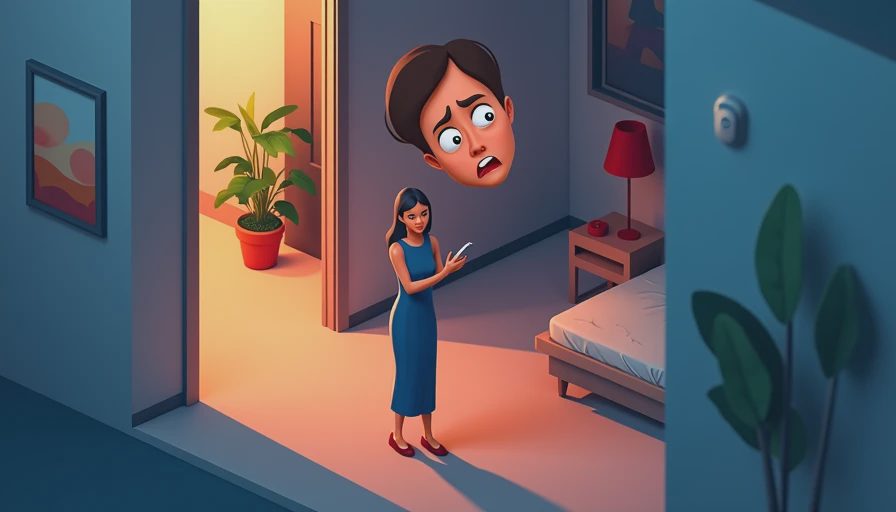
Start with the simplest question: can everyone get outside now? Help children, older adults, and anyone with mobility or hearing challenges. A sleeping child may not understand the alarm, so use a practiced phrase such as “shoes on, outside.” Do not spend time searching for the source if the alarm continues.
Next, close doors behind you if you can do so without slowing down. A closed interior door can slow smoke movement, but it is not a substitute for leaving. Do not use an elevator in a multistory building. Meet at a preselected location, such as a neighbor’s driveway or the far end of the mailbox area, so adults can quickly account for everyone.
After calling 911, tell firefighters what you know: which alarm sounded first, where smoke was seen, whether the home has solar panels or batteries, and whether pets or people are missing. If the sound was smoke detector three quick chirps and stopped before responders arrived, still explain the pattern. A quiet alarm does not prove that the danger has disappeared.
Only return inside when firefighters or another qualified emergency official says it is safe. Opening windows, spraying the alarm, or removing its batteries can spread smoke, hide a developing problem, and leave the household without protection.
When the alarm stops and there is no visible fire
Sometimes cooking smoke, shower steam, dust, insects, or a faulty sensor triggers an alarm. Even then, do not immediately declare the device defective. Look for the source from a safe position. A pan left on a hot burner, a furnace starting for the first time in months, or dust from remodeling can all create a real warning condition.
If emergency responders confirm there is no fire, ventilate the area and use the alarm’s hush button according to the manual. Do not remove the battery simply to get peace and quiet. A disabled smoke alarm is an unguarded doorway for danger, especially overnight.
For smoke detector three quick chirps that happen repeatedly without an obvious source, replace the alarm if it is old, contaminated, damaged, or past its recommended service life. Many manufacturers advise replacing smoke alarms about every 10 years, but use the date printed on the unit and the manual as your guide. Replace a sealed-battery unit rather than trying to open it. Standard battery alarms need fresh batteries on the schedule recommended by the manufacturer.
Smoke alarm sounds that are easy to confuse
A single chirp every 30 to 60 seconds often points to a low battery, though it can also indicate a malfunction or expired sensor. A repeated four-beep pattern commonly signals carbon monoxide on many alarms, but the manual is the authority. Carbon monoxide is invisible and odorless, so move outside and call 911 if that pattern appears, anyone feels dizzy or sick, or a fuel-burning appliance may be involved.
Some alarms announce “fire,” “smoke,” or “carbon monoxide” in a voice. Others use a flashing red or green light, an app notification, or a linked alarm elsewhere in the house. Interconnected alarms can make the source confusing: the unit detecting smoke may be in the basement while every alarm upstairs sounds. Check the manual before testing, because pressing the test button during an emergency can create more noise without solving the problem.
The phrase smoke detector three quick chirps is useful for describing what you heard, but it is not a complete diagnosis. The timing, number of beeps, pauses, voice message, light pattern, and model all matter.

How to prevent a repeat problem
Once the home is safe, write down the alarm’s brand, model, installation date, and location. Take a photo of the label for your household records. Replace missing or unreadable instructions by downloading the manual from the manufacturer’s official website, not from a random file-sharing page. This takes a few minutes and prevents guesswork during the next nighttime alert.
Test every alarm monthly using the test button. Testing confirms that the horn and, on some models, the household interconnection are working; it does not prove that the sensor will detect every type of fire. Keep alarms outside sleeping areas, on each level, and inside bedrooms where local guidance or the manufacturer recommends it. Keep them away from a stove or shower unless the product is designed for that location, because repeated nuisance alarms encourage people to disable them.
Create two escape routes from each sleeping room. Practice once during daylight and once after dark, and choose an outdoor meeting place. Teach children never to hide from firefighters and never to reenter the home. If someone cannot hear a standard alarm, consider a listed alarm with a bed shaker or visual alert, matched to that person’s needs.
The practical takeaway
If you hear smoke detector three quick chirps, move everyone outside, call 911, and do not investigate at the expense of escape. Once professionals clear the home, identify whether smoke, steam, dust, a failing unit, or a different hazard caused the alert. Replace questionable alarms instead of living with a disabled one.
This is not a reason to panic. It is a reason to follow a clear sequence and fix one household weakness today. Five minutes now beats five hours later: test the alarms, record their ages, and practice the exit while everyone is calm.




No notes on this sheet yet.