It is usually 2 a.m. when smoke alarm chirping begins. One sharp beep wakes everyone, then the house goes quiet for another minute. You replace the battery, but the sound returns. Before you start taking alarms off the ceiling, use this quick guide to find the cause and restore reliable protection. Smoke alarm chirping is annoying, but it is also the device communicating that something needs attention.
First, identify the sound
A real fire alarm is typically a loud, repeating pattern rather than one brief chirp separated by long pauses. If you smell smoke, see flames, notice unusual heat, or hear every alarm sounding together, leave immediately, call 911, and stay outside. Do not spend time troubleshooting.
When there is no sign of fire, listen closely. A single chirp every 30 to 60 seconds often points to a low battery or a power problem. Smoke alarm chirping can also result from dust, an expired unit, a loose connection, or a sensor that has detected an environmental issue. Some models announce “low battery” or “replace alarm,” while others provide only a beep.
Check whether the sound is coming from a smoke alarm, carbon monoxide alarm, security panel, or another household device. Chirps can echo through hallways, making the source surprisingly difficult to locate. Stand beneath each alarm and wait for the next sound. A phone recording can help you compare the timing from room to room.
Replace the battery correctly
Start with the alarm that appears to be chirping. If it has a removable battery, use the type listed on the alarm or in its manual. Many units use a 9-volt battery, while newer models may use AA batteries or a sealed battery pack. Do not mix old and new batteries, and do not install rechargeable cells unless the manufacturer specifically allows them.
After installing the battery, press and hold the test button for several seconds. You should hear the alarm’s test pattern. This confirms that the battery has power and that the sounder works, although it does not prove the sensor will detect every type of fire. Reattach the alarm securely if you removed it from its bracket.
If smoke alarm chirping continues after a fresh battery, disconnecting the battery briefly may not be enough. Hold the test button for about 15 to 20 seconds while the battery is removed, then install the new battery and test again. This can clear residual charge in some models. The procedure is common, but follow the model’s instructions when they differ.
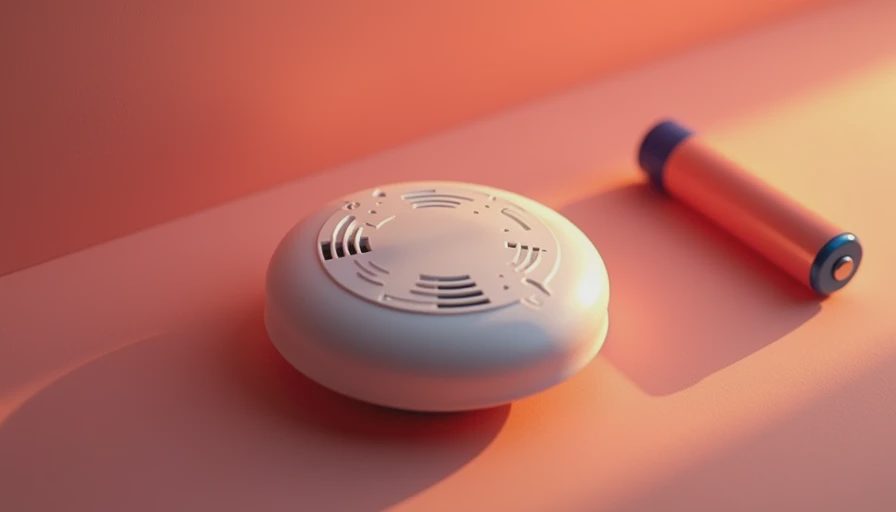
Never leave a detector without a battery because the sound is inconvenient. That converts a small maintenance problem into a serious protection gap. If the alarm is hardwired, replace its backup battery too. A hardwired alarm can still chirp when its backup battery is weak or when household power has been interrupted.
Clean the alarm and inspect its location
Dust, cobwebs, cooking residue, insects, and humidity can interfere with a smoke sensor. Turn off power to a hardwired unit at the breaker before removing it. Use a vacuum’s soft brush attachment around the outside openings, or use short bursts of compressed air according to the manufacturer’s guidance. Do not spray cleaner, water, or insecticide into the alarm.
Kitchen placement deserves special attention. An alarm directly beside a stove, toaster, shower, or bathroom door may react to steam or normal cooking particles. That does not mean you should remove it. Instead, use the alarm’s hush feature when appropriate, improve ventilation, and follow the installation distance recommended by the manufacturer and local fire-safety guidance.
Smoke alarm chirping after a shower, during cold weather, or when a furnace starts may indicate humidity, condensation, or temperature changes. Moveable alarms should not be placed in a garage, near a vent, or in an area exposed to extreme temperatures unless they are designed for it. Cleaning helps, but it cannot fix a detector that is failing internally.
Know when the alarm is too old
Most residential smoke alarms should be replaced after about 10 years, even if they still pass the test-button check. Look for the manufacture date on the back or side. A detector installed when your children were toddlers may now be beyond its service life, particularly if it has spent a decade collecting kitchen dust and household humidity.
Persistent smoke alarm chirping from an older unit is a strong reason to replace it rather than repeatedly buying batteries. A basic replacement commonly costs around $15 to $40, while combination smoke and carbon monoxide models often cost more. Sealed-battery alarms can reduce battery maintenance, but the entire alarm still needs replacement at the end of its rated life.
Replace alarms as a set when practical if several were installed at the same time. Interconnected models are useful because one alarm can alert the whole home. If you choose a new interconnected model, confirm compatibility before mixing brands or product lines. A wireless alarm may not communicate with an older hardwired system.
Handle hardwired and interconnected systems safely
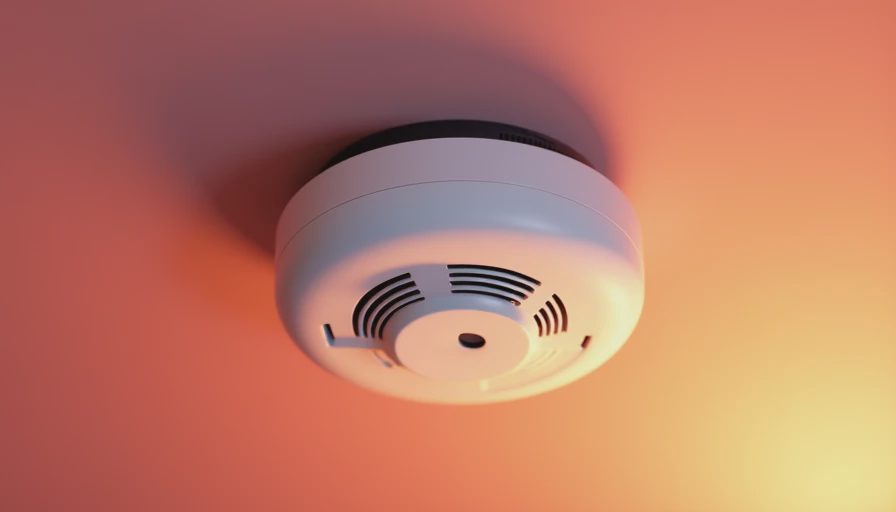
Hardwired alarms connect to household electrical wiring and usually include a battery backup. If one unit chirps, inspect the backup battery first. If several alarms sound together, the issue could involve the interconnection wire, a power interruption, or one failing detector triggering the network.
Turn off the correct breaker before removing a hardwired alarm. If you are unsure which breaker controls it, or if wiring appears damaged, stop and contact a licensed electrician. Do not cut wires, bypass the interconnect, or leave a replacement loosely attached. A tidy installation is less important than a safe, powered connection.
After service, test every alarm. Ask another family member to stand on a different floor and confirm the sound is audible. Families with young children should explain that the alarm is a safety tool, not a toy, and practice leaving through the nearest safe exit. Keep two escape routes from bedrooms when possible and choose an outdoor meeting place.
A five-minute troubleshooting checklist
When smoke alarm chirping starts, work through this order:
- Look and smell for signs of fire or carbon monoxide danger. Evacuate and call 911 if anything seems wrong.
- Identify the exact device making the sound.
- Replace its battery with the correct fresh battery.
- Press the test button and confirm the alarm responds.
- Vacuum exterior vents and check for steam, dust, insects, or cooking residue.
- Read the manufacture date and replace the unit if it is around 10 years old.
- Test every interconnected alarm after the repair.
If smoke alarm chirping remains after these steps, replace the alarm or call a qualified professional. A $20 detector is a small price compared with losing the warning system your family depends on. Put replacement dates on your calendar, keep spare batteries where children cannot reach them, and test alarms monthly. Five minutes now beats five hours later: handle the chirp today, then return your attention to the people and routines that make your home worth protecting.





No notes on this sheet yet.